GRAYBAR
All Conditions
TMJ (Temporomandibular Joint) Disorder
Overview
Understanding Your Condition
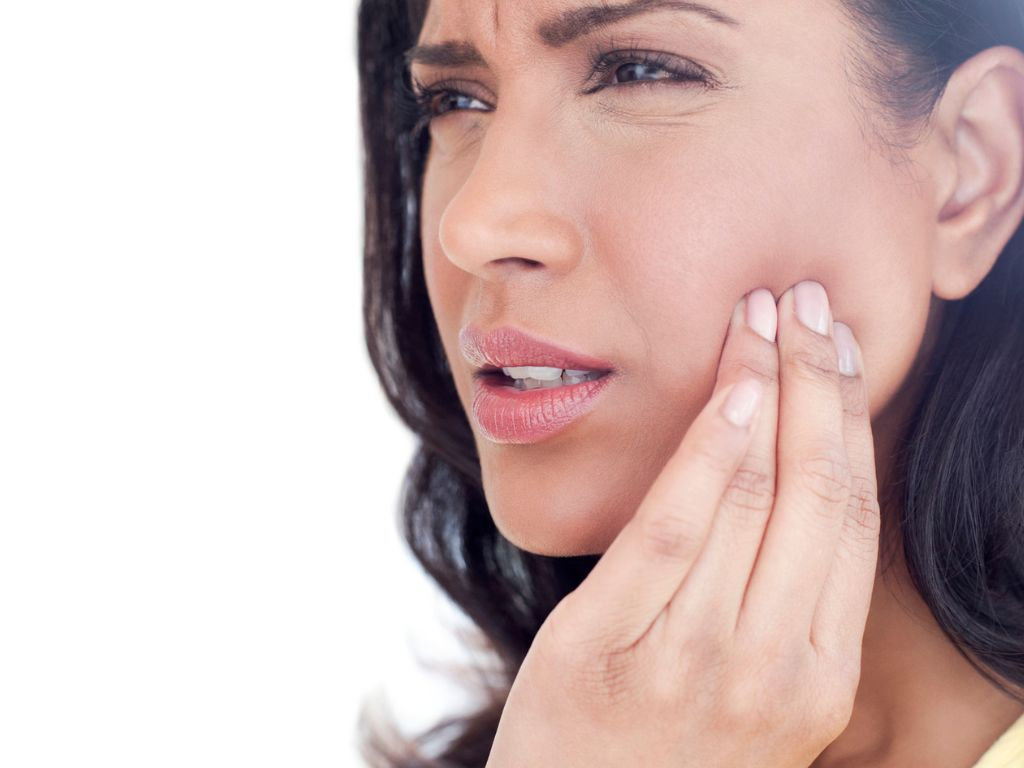
TMJ disorder refers to conditions affecting the temporomandibular joint, which connects the jawbone to the skull. This complex joint allows the movements required for chewing, talking, and yawning. TMJ disorders can cause pain and dysfunction in the jaw joint and the muscles that control jaw movement.
Causes & Types
- Bruxism: teeth grinding or clenching, especially during sleep.
- Jaw injury or trauma.
- Arthritis affecting the TMJ.
- Poor jaw alignment of teeth or jaw.
- Stress increasing muscle tension in the jaw and face.
- Excessive gum chewing or biting hard objects.
Common Symptoms
- Jaw pain or tenderness in the jaw joint, face, temples, or ears.
- Limited jaw movement.
- Clicking or popping sounds when moving the jaw.
- Locking of the jaw.
- Muscle stiffness in the jaw, neck, shoulders, or temples.
- Tension headaches or migraines.
How We Can Help
- Chiropractic adjustments to the jaw, neck, and upper spine to improve alignment.
- Soft tissue therapy to release tight jaw and neck muscles.
- Posture correction to reduce strain on the temporomandibular joint.
- Stress management and relaxation techniques.
- Lifestyle guidance to reduce clenching and grinding.
Prevention & Management
- Avoid excessive gum chewing and hard foods.
- Manage stress to reduce jaw clenching.
- Practice good posture to ease jaw strain.
- Avoid wide yawning and jaw overextension.
- Use a night guard if teeth grinding is an issue.
Ready to Find Relief?
Our team is here to help you address the root cause and get back to feeling your best.
Next ConditionVertigo